If you’re running a sock factory, you know a socks setting machine is the backbone of your operation—skip a day with one down and you’re falling behind on orders, pissing off clients, and burning through overtime to catch up. I’ve been supplying these bad boys for 8 years, and let’s be real: every machine, no matter how flashy or expensive, will throw a tantrum at some point. Today I’m breaking down the most common headaches my customers hit, why they happen, and how to fix ‘em—no jargon, just real talk that works. Socks Setting Machine

Let’s start with the one that shows up uninvited every single week: Uneven Setting (aka Your Socks Look Like They Went Through a Bad Iron). This is exactly what it sounds like—one sock’s toe is stretched too tight, the heel is lumpy, or half the ankle is fuzzed while the other side is fine. First, let’s cut the “it’s a broken heater” myth. 90% of the time, this ain’t the machine’s heating element. More often than not, it’s the feed pins—the little metal nubs that hold the sock in place while it’s heated. If those pins are bent, covered in old lint or fused rubber from a past setting job, or not aligned side to side, the sock shifts mid-cycle, stretching one part too much. Last quarter, a customer in North Carolina was having this exact issue, and they spent 2 weeks replacing heaters before I told ‘em to yank the feed pins out with a pair of pliers, scrub ‘em with a wire brush and a dash of degreaser. Fixed in 10 minutes. Another common culprit? The tenter clips (the ones that grip the sock’s edge). If you’re running 100% cotton socks all day, the clips build up a sticky residue over time, so they don’t grip evenly. Once a month, take ‘em off, soak ‘em in hot soapy water, and buff the inside of the clip where it touches the sock. We actually send a free clip cleaning brush with every machine we sell—most people lose it, no lie. If it is a heater issue, it’s usually the heating zone sensors being out of whack. A quick calibration check (every 2 months) with a digital thermocouple will fix that.
Next up: Socks Sticking to the Machine Like Gum to a Shoe. You pull a sock off the setting plate and half the cotton or spandex is still stuck there, or it’s stretched so hard when you yank it that the toe rips. Annoying, and it’s a big waste of material. Again, this is usually operator error, not a broken machine. Most factories use old, cheap release sprays that leave a greasy film on the setting plates over time. That film builds up, so when heat hits, the sock melts a little and sticks. The fix? Ditch the generic spray and use a water-based silicone release agent—we recommend it to all our customers, and it’s 100% compatible with all our machines. Also, do a monthly deep clean of the plates: turn the machine off, let it cool completely (don’t try to scrub a hot plate—you’ll burn yourself, I learned that the hard way), wipe it down with a mix of vinegar and water, and buff with a dry microfiber cloth. Another sneaky reason? If you’re setting socks that still have lint or leftover yarn bits on them, that crap melts to the plate too. Always run a quick lint brush over every sock before it goes into the machine. Last year, a customer in Bangladesh was throwing away 15% of their socks because of sticking—switched to the right release agent and started pre-brushing, now it’s less than 1%.
Third headache: Cycle Time is All Over the Place (aka Your Machine is Running Slow for No Reason). You set a cycle to 90 seconds, but some socks take 120, and others fly out in 60. That kills your production rate, plain and simple. Here’s the thing: socks setting machines rely on air pressure to inflate the sock and hold it tight while it’s heated. If your air compressor is weak, or the air lines have leaks, the inflation is inconsistent—some socks get tight, some are sagging, so the machine either overheats them to make up for it or cuts the cycle short. Check your compressor pressure first—most machines need 80-90 PSI. If yours is dipping below that mid-shift, either your compressor needs maintenance or you’ve got a leaky line. A quick way to check leaks: spray soapy water on all the air fittings, and if you see bubbles, that’s where the leak is. Tighten the fitting, or replace a cracked line. Another big one: the solenoid valves that control the air flow. If these are clogged with lint or rust, they don’t open and close at the right time, so inflation is off. Every 3 months, pop the valves off, blow them out with compressed air, and replace any worn seals. We stock replacement valves for all our machines, so customers don’t have to wait weeks for parts.
Then there’s The “My Machine Won’t Start” Problem (aka The No-Show). This is the panic one—you get to work, hit the power button, and nothing happens. First, check the obvious: is the machine plugged in? Is the main breaker in the shop tripped? I’ve had customers call me at 7 a.m. panicking, only to realize their night shift crew unplugged it to plug in a vacuum and forgot to put it back. If that’s not it, it’s usually the door interlock switch—those safety switches that cut power if the machine door is open. Over time, lint builds up around the switch, so it doesn’t register that the door is closed. Wipe it down with a lint-free cloth, or give it a little nudge to make sure it’s clicking into place. If it still won’t start, check the thermo-fuse—this is a safety part that blows if the machine overheats, to prevent fires. It’s a cheap part, like $10, and it’s easy to replace. The worst case? It’s the control board, but that’s super rare—only happens if you’ve had a power surge, which is why I recommend a surge protector for every machine we sell. Don’t skip that, folks.
Wait, one more that not enough people talk about: Heel Puckering (aka The Heel Looks Like a Crinkle Paper). This is a tiny defect that makes socks look unprofessional, even if the rest is fine. The cause? 9 times out of 10, the sock formers (the plastic molds that the sock stretches over) are worn down. The edges of the heel former get rounded over after months of use, so when the sock is stretched, the material bunches instead of laying flat. We use high-density plastic for our formers, but even those wear out—every 2 years, replace the heel and toe formers. Another fix: adjust the tension of the side clips on the former. If the clips are too tight on the heel side, that pulls the material and causes puckering. Most machines have a small tension adjustment screw on each clip—turn it a quarter turn at a time and test with a scrap sock until the heel lays flat. I had a customer in Peru who was dealing with this for months, thought it was a setting temp issue, cranked the heat up so high they were burning socks—swapped the heel formers and adjusted the clips, problem gone.
Now, let’s get real for a second: none of this stuff is rocket science, but a lot of factory crews skip regular maintenance because they’re busy. Here’s my rule of thumb—instead of waiting for a machine to break down, do a 15-minute check every single morning before you start running. Wipe the feed pins, check the clips for residue, listen for air leaks, make sure the door switch is working. And every Saturday, when you shut down for the day, do a deeper clean: scrub the setting plates, blow out the air lines, check the thermo-fuse. It takes 30 minutes, and it will save you hours of downtime and thousands in lost orders.
If you’re tired of dealing with these annoying, costly machine issues, you’re not alone. Our team has fixed these exact problems for sock factories all over the world, and we build our machines with these common headaches in mind—easier access for cleaning, durable parts, and 24/7 support if you do hit a snag. We also send a free maintenance kit with every new machine, so you’ve got all the brushes, lubricant, and replacement parts you need to prevent issues before they start.
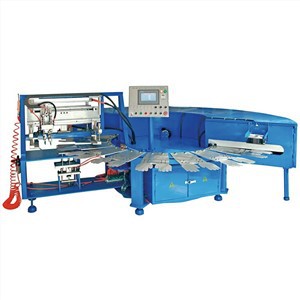
If you’re looking to upgrade your sock setting machine, or you’re having ongoing issues with your current one and need advice, hit us up. We don’t do pushy sales talks—just real solutions for real sock makers tired of fixing machines instead of filling orders.
Setting Machine References:
- Textile Machinery Maintenance: Socks Setting Machine Best Practices, International Textile Manufacturers Federation, 2022
- Common Operation Issues in Knit Apparel Finishing, Journal of Industrial Textiles, Vol. 51, No. 3, 2021
- Energy Efficiency and Troubleshooting for Small to Medium Textile Facilities, United Nations Industrial Development Organization, 2023
- Material Science for Knit Socks: Stretch and Setting Considerations, Fiber Science Review, Vol. 18, No. 2, 2020
Zhejiang Rongyifu Machinery Tech. Co., Ltd.
Zhejiang Rongyifu Machinery Tech. Co., Ltd. is well-known as one of the leading socks setting machine manufacturers and suppliers in China. If you’re going to wholesale custom made socks setting machine at competitive price, welcome to get more information from our factory.
Address: No.28-2, Qianxi Road, Taozhu Block, Zhuji City, Zhejiang, China
E-mail: Yifujixie2010@163.com
WebSite: https://www.ryfmachinery.com/
