Hey there, it’s Jake from the cable supply team, and today I want to talk about something that’s probably crossed your mind if you’ve ever worked with rubber sheathed cables: why does their insulation resistance act weird over time, and what does that mean for your gear? If you’re ordering these cables for job sites, industrial setups, or even big commercial builds, this stuff matters way more than you might think. I see a lot of buyers just check the spec sheet when they place an order, but ignore the fine print about how these cables hold up as they age. That’s where mistakes happen—trust me, I’ve heard so many horror stories of a project going south because someone didn’t consider insulation resistance over time. Rubber Sheathed Cable
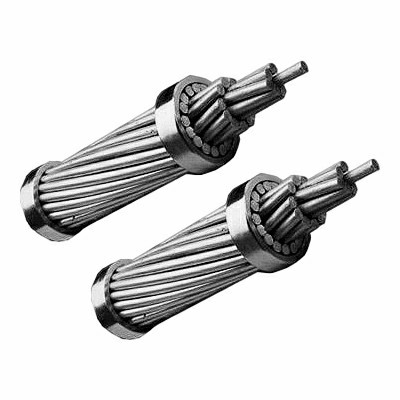
First off, let’s keep it real: what even is insulation resistance (IR) for these cables, anyway? For anyone not deep in the electrical weeds, IR is basically how well the rubber sheath keeps electricity from leaking out where it shouldn’t. The higher the number, the better it is at stopping that. Think of it like a raincoat for your wires—if the coat’s intact, water (or electricity, in this case) stays in the cable instead of seeping into places it’ll cause chaos. When you first pull a new rubber sheathed cable off the reel, it’ll have a really high IR number—like, in the megaohm range, sometimes even tens or hundreds of MΩ, depending on the type. But that number doesn’t stay static. It shifts over time, and not always in a straight line.
Now, why does that IR change? Let’s break down the main culprits, and some of these might surprise you. First up, the rubber itself is the star here, but not all rubbers are created equal. We supply a range of rubber compounds—like EPDM, natural rubber, neoprene, and styrene-butadiene (SBR)—and each ages differently. Take natural rubber, for example; it’s super flexible, great for cold job sites, but it breaks down faster when exposed to UV light or oil. EPDM is the heavy lifter—used in a lot of outdoor, industrial setups—but even it has a shelf life. UV rays from the sun cause what’s called polymer degradation, which is just a fancy way of saying the rubber’s molecules start to break apart. When that happens, tiny micro-cracks form in the sheath, and those cracks let moisture, dirt, and even gases get inside, which lowers IR.
Wait, speaking of moisture— that’s the biggest single threat to IR, in my experience. I once had a guy order 500 meters of rubber sheathed cable for a construction site in Florida, where it rains half the year. He stored it outside under a thin tarp that had a tear, and within six months, his IR tests showed the resistance dropped by 70%. The moisture seeped through the tiny gaps in the rubber, found its way to the conductive core, and suddenly the sheath wasn’t doing its job anymore. Moisture doesn’t just get in from the outside, either—if the cable is exposed to extreme temperature swings, like going from freezing winters to sweltering summers, the rubber expands and contracts. That movement creates tiny gaps at the jacket-core interface, and moisture creeps right in there.
Then there’s environmental exposure beyond moisture and UV. Oil, chemicals, even just regular dirt and grime can mess things up. If your cable is running near a factory floor where there’s hydraulic oil or cleaning chemicals, those will eat away at the rubber over time. Neoprene is resistant to oil, but it’s not invincible—constant exposure will still make it stiff and brittle, which hurts its IR. And don’t forget about physical stress. If you’re pulling cable tight around corners, stepping on it, or it’s being dragged across concrete every day, that flexing and abrasion wears down the sheath. Each bend weakens the rubber, creating more places where degradation can start, which in turn lowers IR.
Now, what about the actual timeline? How quickly does IR drop? That’s tricky because it depends on the conditions. If a cable’s installed indoors, away from sunlight, stored properly, in a temperature-controlled space, its IR will hold steady for years—like 10, 15, even 20 years, depending on the compound. But if it’s in a harsh outdoor environment, exposed to rain and sun, you could start seeing noticeable IR drops in 3 to 5 years. I mentioned the Florida job site earlier—those cables were for temporary use, but they ended up being stored for 6 months before installation, so their lifespan was way shorter than expected. Another example: we did a recent follow-up on a set of EPDM cables we supplied for a mining operation in Arizona. They’ve been running 24/7 in 110-degree heat, covered in dust and occasional chemical spills, and their IR has dropped about 15% over 4 years, which is actually better than I thought it would hold up.
Wait, but hold on—does lower IR always mean the cable is bad? Not exactly. There’s a minimum threshold for IR, and as long as you stay above that, the cable is still safe. Most industry standards (like the IEC or NEC, if you care about those) say that the minimum acceptable IR for a rubber sheathed cable is around 1 MΩ per volt of operating voltage. So for a 240V cable, that’s 240 MΩ, wait no—wait, no, let me double that quick. No, actually, it’s roughly 100 MΩ for low-voltage, but honestly, that number varies, and it’s important to test it for your specific setup. The key is that it’s not a linear drop; it’s gradual, but once it crosses that minimum threshold, you’ve got a problem.
Here’s a common myth I want to bust: some people think rubber sheathed cables are indestructible compared to PVC, but that’s not true. Rubber is more flexible and better for extreme temps, but it still ages. PVC is stiffer, but it’s more resistant to UV in some cases. It really comes down to how you use and store the cable. We get a lot of people asking, “Should I buy rubber or PVC?” and the answer is, well, what’s your environment? If it’s a cold job site where the cable will be flexing a lot, rubber is better, but you’ve gotta take care of it to keep IR up.
So, what can you do to keep your cable’s IR from dropping faster than it needs to? Let’s get into practical stuff, since that’s what you care about, right? First, storage. If you’re not installing the cable right away, don’t just leave it in a pile outside. Keep it in a cool, dry place, off the ground if possible, covered with something that blocks UV. Even a cheap storage tent for cable reels can make a huge difference. I’ve seen cables that were stored in a warehouse with no climate control hold IR for way longer than ones left in a yard.
Second, installation. Don’t yank cables too tight, avoid sharp edges that can cut the sheath, and if you’re running them through walls or conduits, use grommets to prevent abrasion. The less physical stress you put on the sheath, the less micro-cracking you get, which means less moisture getting in. Also, make sure the cable is rated for the environment it’s going into. If you need oil resistance, get neoprene or nitrile rubber, not natural rubber. If it’s super cold, go for natural rubber or a low-temperature EPDM. Matching the compound to the job is half the battle.
Third, regular testing. Don’t just assume your cable is fine for 10 years. Every 2 or 3 years, do an IR test with a megohmmeter. That way you can catch a drop early, before it becomes a safety hazard. We actually offer free quick checks for bulk buyers here, just to help them make sure their inventory is good. It’s a small step that can save you a ton of headaches later.
Now, I know what some of you are thinking—“Why does this matter to me right now? I just need to place an order.” Great question, and that’s why we design our rubber sheathed cables with aging in mind. All the compounds we use are stabilized against UV and oxidation, which slows down degradation. We test every batch for initial IR, and we also do accelerated aging tests to simulate 10 years of use in just a few months, so we know exactly how it’ll hold up. That’s why our customers keep coming back—they don’t have to worry about the IR dropping unexpectedly.
Wait, let’s circle back to that IR change thing. Is there any way it actually increases over time? I’ve heard about that, but it’s super rare. It usually only happens if the cable was really wet when you first tested it, and it dries out over time. For example, if a cable got splashed with water right after you measured it, the moisture would lower the IR, and once it evaporates, the IR would go back up. But that’s a temporary blip, not a long-term trend. Most of the time, IR is either holding steady or going down, slowly or quickly.
Another thing that affects IR: cable length and voltage. Longer cables have more insulation, so their initial IR is higher, right? That makes sense—more rubber to keep electricity in. And higher voltage cables also have higher initial IR requirements because the consequences of leakage are bigger. So when you’re testing or ordering, don’t just compare numbers across different voltage or length setups—make sure you’re looking at the right standard for your specific cable.
Let me share another real example to drive this home. A construction company we worked with a while back ordered 1,000 meters of our EPDM rubber sheathed cables for a residential building project. They stored the reels in a covered, dry lot, pulled the cables without any sharp edges, and tested IR after installation—was around 500 MΩ, which was way above the 100 MΩ minimum. Two years later, they called us saying they wanted to add an extension to the building, so we tested the remaining reels, and their IR was still at 480 MΩ. No drop worth worrying about, because they took proper care of them. In contrast, another customer ordered the same amount of cable, stored it outside under a broken tarp, and after 1 year, their test IR was only 120 MΩ—just barely above the minimum, and they were worried it would fail before the project finished.
So, putting all this together: the insulation resistance of rubber sheathed cable doesn’t have to be a mystery. It changes over time because of how the rubber ages, what environment it’s in, how much stress it’s under, and how well you take care of it. It’s not a fixed number, but if you pick the right compound for your job, store it correctly, install it properly, and test it periodically, you can keep IR at safe levels for years.
At the end of the day, no one wants to deal with unexpected electrical issues on a job. That’s why we’re here—we don’t just sell you cable; we make sure you understand how it performs over time, so you can make the right choices for your project. If you’re looking to order rubber sheathed cable, or even just have questions about which type is best for your specific environment, hit us up. We’re happy to walk through your needs, help you pick the right product, and even share tips to keep your cable’s IR strong for as long as possible.
Don’t let aging insulation resistance catch you off guard. Reach out to chat about your project today, and let’s make sure your cable setup stays safe and reliable.
Aluminum Clad Steel Wire References:
- IEC 60227-2, Polyvinyl chloride insulated cables of rated voltages up to and including 450/750 V – Part 2: Test methods for rubber insulated cables
- ASTM D1566, Standard Terminology Relating to Rubber
- Electrical Construction Maintenance (EC&M) Magazine, “Understanding Insulation Resistance in Power Cables” (2021)
- Rubber Chemistry and Technology, “Aging of Rubber Compounds for Electrical Insulation Applications” (2019)
- National Electrical Code (NEC) Article 340, Non-Metallic-Sheathed Cables
Hebei Hualun Cable Co., Ltd.
As one of the leading rubber sheathed cable manufacturers and suppliers in China, we offer a wide range of products with superior quality. We warmly welcome you to buy cheap rubber sheathed cable for sale here from our factory. For price consultation, contact us.
Address: XINGBIEYING INDUSTRIAL ZONE, HEBEI PROVINCE CHINA
E-mail: steven@hualunchcable.com
WebSite: https://www.hualuncables.com/
