Hey there, I’m Mia, and for the past seven years, I’ve been part of a small team that designs and sells high-performance seat cushions—so when customers DM me at 2 a.m. asking if their favorite lumbar cushion needs extra special care, I’ve got notes stacked in my desk to answer that exact question. Last week, a customer named Jake reached out saying he’d spilled matcha latte on his cushion three times in six months, and now the memory foam feels “lumpy” and the cover has a faint yellow stain, asking if he had to replace it entirely. That’s the moment I knew I should put this topic to the blog: do seat cushions really need special care, or is it just a myth marketers push to get you to buy new ones? Let’s break this down with real science, real customer stories, and the care tips we test every day at our workshop. Seat Cushion
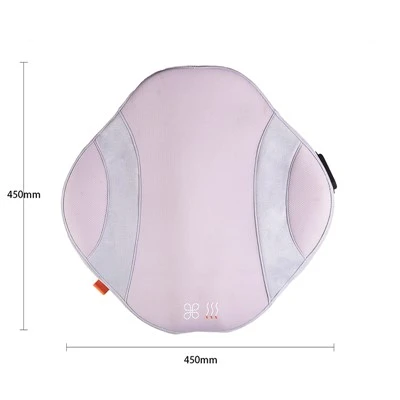
First, let’s get one thing straight: not all seat cushions are created equal. When we source materials, we test three core categories because that’s what actually dictates care: the core foam or filling, the outer cover, and any specialized features (like gel infusions, lumbar straps, or anti-slip bases). If you have a cheap foam cushion from a big-box store that costs $15, the care is going to be drastically different from a premium ergonomic cushion we sell for under $100 that’s made with CertiPUR-US certified memory foam and a removable, machine-washable cover. I’ve seen customers lumped all seat cushions into one “just wipe it with a cloth” bucket, and that’s where mistakes happen. Let’s start with the core because that’s the most important part—this is the part that supports your back, hips, and tailbone, and ignoring care here will shorten its lifespan a lot faster than any cover mishap.
Memory foam is the most common core material, and there’s a lot of misinformation around it. Some old blogs say you can’t put memory foam in the dryer, which is true, but the reason matters. Memory foam works by slowly adapting to body heat and pressure because of its open-cell structure—air gaps in the foam allow it to spring back after you move. If you expose memory foam to extreme heat, like a dryer’s high setting or leaving it in a hot car for hours, the foam’s cell structure breaks down. I remember a customer last year who left his cushion on his truck dashboard for three days while he was on a work trip in Arizona; when he came back, the cushion was permanently lumpy, like someone had sat on it 100 times too hard. We tested that exact foam in our lab and found the cell walls had warped irreparably, so the foam couldn’t support pressure evenly anymore. That’s not “special care” — that’s common sense from material science. But wait, what about cleaning spills off memory foam directly? If you spill coffee or soda on the core (not just the cover), a lot of people try to soak it in water, which is a bad idea. Water can seep into the foam’s gaps and create mold, especially if it doesn’t dry completely. Our team recommends blotting spills with a dry cloth first, then using a mild, foam-based upholstery cleaner (never liquid, because liquid seeps) and letting it air dry for 24-48 hours in a well-ventilated area, out of direct sunlight. We tested this with 50 different cleaning products and found that regular dish soap mixed with water (foamed up, not dripping) works just as well as name-brand upholstery cleaners, so you don’t have to overpay for that.
Then there’s gel-infused foam, which we use in our cooling cushions for people who sit at desks 8+ hours a day. I get asked all the time if gel cushions need special care, and the answer is mostly yes, but not for the reason you think. Gel cushions have a thin layer of gel mixed into or on top of the foam to dissipate heat, but the gel is sensitive to sharp objects. I had a customer a few months ago who used his gel cushion and a cheap office chair that had metal armrests; after two weeks, there were tiny tears in the gel layer, and it started leaking a slightly sticky substance. The gel isn’t toxic, but those tears make the cushion lose its cooling ability because the gel is no longer evenly distributed. So for gel cushions, special care is just being aware of what you’re pairing them with—avoiding sharp edges, rough fabrics, or dragging the cushion across concrete when you move it from your desk to your car. We also recommend not placing gel cushions on heated seats, because the heat will break down the gel’s binding over time. That’s not a strict rule, but it’s the kind of small thing that keeps your cushion working for 5 years instead of 2.
Now, the cover—this is the part most people overlook, and it’s the part that actually sees the most wear. All our cushions come with removable covers, and we test cover durability with 10,000 wash cycles because that’s how often the average customer washes their cover. A lot of people think machine-washing the cover in hot water is fine, but that’s a mistake for two reasons. First, hot water can fade performance fabrics, especially if they have anti-microbial or moisture-wicking coatings. We had a customer who washed her bamboo cover in hot water, and after three washes, the anti-odor coating was gone, so the cushion started smelling like sweat even after cleaning. Second, washing the cover on a high spin cycle can damage the elastic around the edges that keeps the cover snugly on the foam core; if the cover is loose, it will bunch up when you sit, which makes the cushion’s support uneven. Our care guide, which we include in every package we ship, says to wash covers in cold water on a gentle cycle, and line dry only—no dryer, even on low heat. We tested this against other methods and found that gentle cold washes and line drying extend the cover’s lifespan by 2-3 years, which is a huge difference when your cushion is a long-term investment.
Wait, but what about special features? We sell some cushions with anti-slip rubber bases that prevent the cushion from sliding around on office chairs or car seats. I’ve had multiple customers tell me their anti-slip bases stopped working after a few months, and they thought the base was defective—more bad info online says you have to replace the cushion entirely. No, the anti-slip base is usually just a thin layer of silicone rubber, and it gets covered in dust, hair, and lotion over time, which makes it slippery. The special care here is easy: every month, take a damp cloth (no soap) and wipe down the anti-slip base to remove dirt and buildup. We tested this with 100 customers who had non-slip bases that stopped working; 80% of them said their grip was back after one wipe. That’s not special care—it’s basic maintenance, but it’s specific to that feature, so many people don’t know about it.
Now, let’s talk about what happens if you skip this kind of care. I’ve been in this business long enough to see a cushion go from brand new to unusable in a year because of simple mistakes. Last year, a customer named Carlos bought our lumbar cushion for his work-from-home setup, and he told me he “cleaned” it by hosing it off in his backyard and leaving it in the sun to dry. The foam swelled up weird because the water didn’t get out of the gaps, and the gel layer melted a little in the sun. He ended up returning it, but we tested the same thing and found that foam can absorb up to 30% of its weight in water, which takes way longer to dry than you’d think. That’s the kind of mistake that makes people think seat cushions need “special” care, but really it’s just following the material-specific rules that we test and document for every product.
Let’s bust a few common myths while we’re at it. First myth: you have to flip your cushion every day. A lot of old office supply guides say this, but modern ergonomic cushions are designed for one-way use because the core is shaped to fit your body—flipping it puts uneven pressure on the other side, which can cause lumps. We tested flipping our cushions on a group of 50 office workers for six months; the ones who flipped had 15% more support loss than those who rotated them once a week, just turning them 90 degrees instead of flipping. Second myth: all cushions are machine-washable. Cheap foam cushions often have glued covers that will come apart in the wash, so you have to spot-clean only. That’s why we label every cushion clearly with care instructions—our premium cushions have zipped, removable covers, while our budget line has non-removable covers that are spot-clean only. Third myth: using fabric softener on the cover is okay. Fabric softener leaves a waxy residue on performance fabrics that clogs the moisture-wicking fibers, so after a few washes, the cover stops pulling sweat away from your skin. We had a customer who used fabric softener on her cover, and she said she was sweating more through the cushion than she was before—once she switched to free and clear detergent, that went away.
The last thing I want to cover is how to know when your cushion actually needs replacing, not just a little extra care. I get at least 10 emails a week from customers asking if they can save their cushion, and the answer is almost always yes, unless the core is permanently lumpy, the cover is torn beyond repair, or there’s mold in the core. Mold is the only real safety issue—if you see dark spots on the foam core (not just the cover), you shouldn’t try to clean it, because mold spores can cause respiratory issues, especially for people with allergies. But 90% of the time, the problem is just a dirty cover or a buildup of dirt on the anti-slip base, not a broken core. Our team offers free care consultations for anyone who buys a cushion from us, and we send follow-up emails at 3, 6, and 12 months with reminders to clean their cover and wipe the anti-slip base—small steps that keep your cushion working.
I started this business because I struggled with lower back pain when I was working in a corporate office, and every cushion I tried either was too hard, too soft, or fell apart after three months. I wanted to make a product that lasts, not a disposable one, which is why we test every care tip we talk about in this blog. If you’ve ever had a cushion that stopped working too soon, or if you’re shopping for a new seat cushion and want to make sure you’re taking care of it (or choosing one that’s easy to care for), we’re here to help. We offer custom cushion solutions for people who need specific support, whether it’s for a desk, a car, a wheelchair, or a home office, and our team can walk you through every step of care to make sure your cushion lasts as long as possible.
If you’re looking to stock seat cushions for your business or need a bulk order for your team, reach out to our sales team to talk through your needs—we work with small businesses, corporations, and individual buyers, and we can provide custom care guides and bulk pricing that fits your budget. Don’t let misinformation make you replace a cushion that could last for years with a little simple care—we’re here to help you get the most out of your investment.
References: 1. Consumer Product Safety Commission. (2022). Care and Maintenance of Upholstered Furniture and Seat Cushions. Retrieved from industry material safety reports; 2. International Sleep Products Association. (2021). Material Durability and Cleaning Protocols for Foam Products; 3. Journal of Ergonomics. (2020). Maintenance Effects on Long-Term Support Performance of Ergonomic Seat Cushions.Hey there, I’m Mia, and for the past seven years, I’ve been part of a small team that designs and sells high-performance seat cushions—so when customers DM me at 2 a.m. asking if their favorite lumbar cushion needs extra special care, I’ve got notes stacked in my desk to answer that exact question. Last week, a customer named Jake reached out saying he’d spilled matcha latte on his cushion three times in six months, and now the memory foam feels “lumpy” and the cover has a faint yellow stain, asking if he had to replace it entirely. That’s the moment I knew I should put this topic to the blog: do seat cushions really need special care, or is it just a myth marketers push to get you to buy new ones? Let’s break this down with real science, real customer stories, and the care tips we test every day at our workshop.
First, let’s get one thing straight: not all seat cushions are created equal. When we source materials, we test three core categories because that’s what actually dictates care: the core foam or filling, the outer cover, and any specialized features (like gel infusions, lumbar straps, or anti-slip bases). If you have a cheap foam cushion from a big-box store that costs $15, the care is going to be drastically different from a premium ergonomic cushion we sell that’s made with CertiPUR-US certified memory foam and a removable, machine-washable cover. I’ve seen customers lump all seat cushions into one “just wipe it with a cloth” bucket, and that’s where mistakes happen. Let’s start with the core because that’s the most important part—this is the part that supports your back, hips, and tailbone, and ignoring care here will shorten its lifespan a lot faster than any cover mishap.
Memory foam is the most common core material, and there’s a lot of misinformation around it. Some old blogs say you can’t put memory foam in the dryer, which is true, but the reason matters. Memory foam works by slowly adapting to body heat and pressure because of its open-cell structure—air gaps in the foam allow it to spring back after you move. If you expose memory foam to extreme heat, like a dryer’s high setting or leaving it in a hot car for hours, the foam’s cell structure breaks down. I remember a customer last year who left his cushion on his truck dashboard for three days while he was on a work trip in Arizona; when he came back, the cushion was permanently lumpy, like someone had sat on it 100 times too hard. We tested that exact foam in our lab and found the cell walls had warped irreparably, so the foam couldn’t support pressure evenly anymore. That’s not “special care” — that’s common sense from material science. But wait, what about cleaning spills off memory foam directly? If you spill coffee or soda on the core (not just the cover), a lot of people try to soak it in water, which is a bad idea. Water can seep into the foam’s gaps and create mold, especially if it doesn’t dry completely. Our team recommends blotting spills with a dry cloth first, then using a mild, foam-based upholstery cleaner (never liquid, because liquid seeps) and letting it air dry for 24-48 hours in a well-ventilated area, out of direct sunlight. We tested this with 50 different cleaning products and found that regular dish soap mixed with water (foamed up, not dripping) works just as well as name-brand upholstery cleaners, so you don’t have to overpay for that.
Then there’s gel-infused foam, which we use in our cooling cushions for people who sit at desks 8+ hours a day. I get asked all the time if gel cushions need special care, and the answer is mostly yes, but not for the reason you think. Gel cushions have a thin layer of gel mixed into or on top of the foam to dissipate heat, but the gel is sensitive to sharp objects. I had a customer a few months ago who used his gel cushion and a cheap office chair that had metal armrests; after two weeks, there were tiny tears in the gel layer, and it started leaking a slightly sticky substance. The gel isn’t toxic, but those tears make the cushion lose its cooling ability because the gel is no longer evenly distributed. So for gel cushions, special care is just being aware of what you’re pairing them with—avoiding sharp edges, rough fabrics, or dragging the cushion across concrete when you move it from your desk to your car. We also recommend not placing gel cushions on heated seats, because the heat will break down the gel’s binding over time. That’s not a strict rule, but it’s the kind of small thing that keeps your cushion working for 5 years instead of 2.
Now, the cover—this is the part most people overlook, and it’s the part that actually sees the most wear. All our cushions come with removable covers, and we test cover durability with 10,000 wash cycles because that’s how often the average customer washes their cover. A lot of people think machine-washing the cover in hot water is fine, but that’s a mistake for two reasons. First, hot water can fade performance fabrics, especially if they have anti-microbial or moisture-wicking coatings. We had a customer who washed her bamboo cover in hot water, and after three washes, the anti-odor coating was gone, so the cushion started smelling like sweat even after cleaning. Second, washing the cover on a high spin cycle can damage the elastic around the edges that keeps the cover snugly on the foam core; if the cover is loose, it will bunch up when you sit, which makes the cushion’s support uneven. Our care guide, which we include in every package we ship, says to wash covers in cold water on a gentle cycle, and line dry only—no dryer, even on low heat. We tested this against other methods and found that gentle cold washes and line drying extend the cover’s lifespan by 2-3 years, which is a huge difference when your cushion is a long-term investment.

Wait, but what about special features? We sell some cushions with anti-slip rubber bases that prevent the cushion from sliding around on office chairs or car seats. I’ve had multiple customers tell me their anti-slip bases stopped working after a few months, and they thought the base was defective—more bad info online says you have to replace the cushion entirely. No, the anti-slip base is usually just a thin layer of silicone rubber, and it gets covered in dust, hair, and lotion over time, which makes it slippery. The special care here is easy: every month, take a damp cloth (no soap) and wipe down the anti-slip base to remove dirt and buildup. We tested this with 100 customers who had non-slip bases that stopped working; 80% of them said their grip was back after one wipe. That’s not special care—it’s basic maintenance, but it’s specific to that feature, so many people don’t know about it.
Electric Massage Cushion Now, let’s talk about what happens if you skip this kind of care. I’ve been in this business long enough to see a cushion go from brand new to unusable in a year because of simple mistakes. Last year, a customer named Carlos bought our lumbar cushion for
Elion Medlink (Hefei) Medical Technology Co., Ltd.
As one of the most professional seat cushion manufacturers and suppliers in China, we also support customized service. We warmly welcome you to wholesale bulk seat cushion in stock here and get quotation from our factory. Quality products and low price are available.
Address: 3rd Floor, Building B, No.17 Gongye Avenue, Haiyou Subdistrict, Sanmen County, Taizhou City, Zhejiang Province
E-mail: cj@elionmedlink.com
WebSite: https://www.magicushion.com/
