In today’s environmentally conscious era, the issue of waste reduction has become a pressing concern across various industries. As a supplier of pulp molded packaging for cosmetics, I am acutely aware of the responsibility we bear in minimizing the environmental impact of our products. This blog post aims to explore effective strategies to reduce the waste generated by pulp molded packaging for cosmetics, highlighting the importance of sustainable practices and offering practical solutions for both suppliers and consumers. Pulp Molded Packaging for Cosmetics

Understanding the Current Situation
Pulp molded packaging has gained popularity in the cosmetics industry due to its eco – friendly nature, as it is made from recycled paper pulp and is biodegradable. However, like any packaging material, it still contributes to waste if not managed properly. During the production process, there are inefficiencies such as excess pulp usage, defective products, and waste generated from machinery cleaning. On the consumer side, improper disposal after use can also lead to environmental problems.
Strategies for Suppliers to Reduce Production Waste
1. Optimize Design and Manufacturing Processes
One of the most effective ways to reduce waste is to optimize the design of pulp molded packaging. By using advanced computer – aided design (CAD) software, we can create packaging that is precisely tailored to the shape and size of cosmetic products. This not only reduces the amount of material needed but also improves the overall aesthetic and functionality of the packaging.
In addition, implementing lean manufacturing principles in our production facilities can significantly reduce waste. This includes streamlining production lines, minimizing idle time, and ensuring that machinery is properly maintained. For example, regular calibration of molding machines can prevent over – filling or under – filling of pulp, which often results in defective products that need to be discarded.
2. Improve Quality Control
A robust quality control system is essential for reducing waste. By detecting and correcting defects early in the production process, we can avoid producing large quantities of non – compliant products. This can be achieved through a combination of automated inspection systems and manual checks. For instance, using cameras and sensors to detect surface defects, cracks, or improper dimensions of the packaging can help identify problems before they become widespread.
Moreover, training our production staff to be more vigilant and quality – conscious can also contribute to waste reduction. Employees should be educated on the importance of quality control and provided with the necessary skills to identify and address potential issues.
3. Recycling and Reusing Production Waste
Another important strategy is to recycle and reuse the waste generated during the production process. Pulp waste, such as trimmings and defective products, can be collected and re – pulped to be used in the production of new packaging. This not only reduces the amount of waste sent to landfills but also saves on raw material costs.
We can also explore the possibility of using recycled pulp from other sources, such as post – consumer waste or industrial waste. By incorporating recycled pulp into our production, we can further reduce our reliance on virgin materials and contribute to a more circular economy.
Encouraging Sustainable Consumption and Disposal
1. Educating Consumers
As a supplier, we have a role to play in educating consumers about the proper disposal of pulp molded packaging. We can include clear instructions on the packaging itself, as well as on our website and social media platforms. For example, we can inform consumers that pulp molded packaging is biodegradable and can be composted at home or in industrial composting facilities.
In addition, we can also raise awareness about the environmental benefits of choosing pulp molded packaging over other types of packaging materials. By highlighting the sustainable features of our products, we can encourage consumers to make more environmentally friendly choices.
2. Offering Incentives for Recycling
To further encourage consumers to recycle pulp molded packaging, we can consider offering incentives. For example, we could partner with recycling programs or offer discounts on future purchases for customers who return their used packaging. This not only helps to reduce waste but also builds customer loyalty.
3. Designing for Disassembly and Recycling
When designing pulp molded packaging, we can also take into account the ease of disassembly and recycling. For example, using fewer adhesives and avoiding the use of non – biodegradable coatings can make the packaging easier to recycle. Additionally, designing packaging that can be easily separated into different components can facilitate the recycling process.
Collaboration with Stakeholders
1. Working with Cosmetic Brands
We can collaborate closely with cosmetic brands to develop more sustainable packaging solutions. For example, we can work together to design packaging that is not only aesthetically pleasing but also more environmentally friendly. This could involve reducing the overall size of the packaging, using less material, or incorporating innovative designs that improve recyclability.
Cosmetic brands can also play a role in promoting the proper disposal of packaging to their customers. By including sustainability messages in their marketing campaigns and packaging, they can help to raise awareness among consumers.
2. Engaging with Recycling Facilities
Engaging with recycling facilities is crucial for ensuring that pulp molded packaging is properly recycled. We can work with these facilities to understand their requirements and capabilities, and then adjust our production processes accordingly. For example, we can ensure that the pulp used in our packaging is of a type that can be easily processed by local recycling facilities.
We can also support research and development efforts in the recycling industry to improve the efficiency and effectiveness of pulp molded packaging recycling.
Conclusion
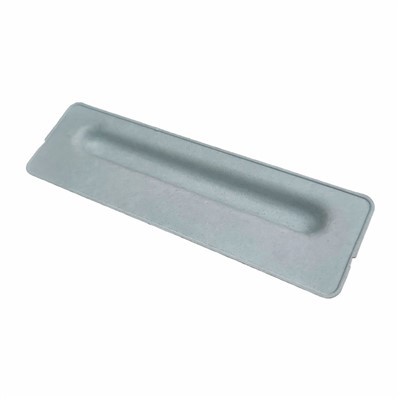
Reducing the waste generated by pulp molded packaging for cosmetics is a complex but achievable goal. As a supplier, we have a responsibility to implement sustainable practices in our production processes, educate consumers, and collaborate with stakeholders. By optimizing design, improving quality control, recycling production waste, and encouraging sustainable consumption and disposal, we can significantly reduce the environmental impact of our packaging.
Rigid Set Up Boxes If you are a cosmetic brand looking for a sustainable packaging solution, I invite you to contact me for a procurement discussion. Together, we can make a positive difference in the environment while meeting the needs of your business and consumers.
References
- "Sustainable Packaging Design: A Comprehensive Guide", by Smith, J. (2020)
- "Lean Manufacturing Principles for the Packaging Industry", by Johnson, R. (2019)
- "The Future of Recycling: Trends and Innovations in the Packaging Sector", by Brown, A. (2021)
Dongguang K.B.D Pulp Mould Package Products Co., Ltd.
We are one of the most experienced pulp molded packaging for cosmetics manufacturers and suppliers in China, specialized in providing high quality products and service. Please feel free to buy bulk customized pulp molded packaging for cosmetics from our factory. For quotation and free sample, contact us now.
Address: No.4 Caimei 1st Road, Longjiantian Country, Huangjiang Town, Dongguan, China
E-mail: Kevin.wang@kbd.com.cn
WebSite: https://www.kbd-pack.com/
