Hey there, I’m Jake, and I’ve been knee-deep in the multi-layer labels game for the past 8 years—long enough to know that a label that works like a charm on a cold, dry grocery shelf might totally flop in a sweltering warehouse or a splashy manufacturing plant. Let’s cut to the chase: not all environments play nice with labels, and if you’re a brand or operations manager picking labeling solutions, guessing is just a recipe for wasted money and frustrated teams. I’ve spent years testing our own multi-layer labels across every kind of environment you can throw at ‘em, and today I’m breaking down what actually works where—no jargon, no fluff, just the real stuff I’ve seen in the trenches. Multi-layer Labels
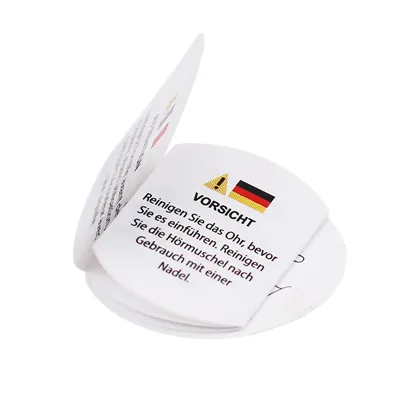
First off, let’s get on the same page about what multi-layer labels are, in case you’re new here. Think of ‘em as super-charged stickers: instead of a single layer of paper or vinyl, they’ve got 2, 3, sometimes even 4 thin, bonded layers. Most of our clients use ‘em to put extra small print—like lot numbers, safety warnings, or storage instructions—where there’s just no space on regular labels. The top layer is usually the one customers see, and the inner layers are hidden until you peel or scratch the top, right? But here’s the thing: their performance lives or dies by the environment they’re stuck in. I’ve had clients come to me swearing “labels are labels” only to find their stuff falling off, peeling apart, or the inner text smudging within weeks. Let’s run through the most common environments we deal with, starting with the one I probably test most often: cold chain storage.
Cold chain is huge for pharma, frozen food, and even some electronics—think freezers at -20°C or refrigerated shipping docks that swing between 2°C and room temp all day. This is where so many basic labels give up the ghost fast. I remember a frozen snack client who tried generic vinyl labels for their bulk pallets last year. Within a month, half the labels on their -18°C freezer pallets were curling at the edges. When they pulled one off, the adhesive had turned brittle, and the top layer was peeling right off the inner layers—those tiny lot numbers they needed for recalls were totally gone. That’s a nightmare, right? Now, our go-to multi-layer labels for cold chains use a cold-cured acrylic adhesive that stays flexible even at sub-zero temps, and the layers are bonded with a low-temp resin that doesn’t separate when it’s freezing. We did a side-by-side test with that frozen snack brand last quarter: our labels stayed fully adhered for 6 months straight in their -20°C test freezer, and the inner layers never peeled apart. Even when we yank ‘em off after that, the adhesive leaves zero residue on the plastic pallets, which is a win for their maintenance team. The only caveat here? You can’t use these for temperatures above 60°C—acrylic adhesives break down when it’s too hot. That’s why I always tell cold chain teams to check the full temp range of their operations before ordering, not just the cold part.
Next up, the complete opposite end of the spectrum: high-heat, high-humidity environments. This is things like industrial manufacturing lines, paint booths, or even outdoor equipment that sits in the sun all day in Arizona or Florida. I’ve got a client that makes heavy-duty agricultural tractors—they were using plain polyester labels for their engine components, but after a few months of being in a shop that hits 45°C and 80% humidity in the summer, the labels were fading so bad you couldn’t read the model numbers. Plus, when they washed the tractors down (part of their maintenance), water would seep under the label and make the whole thing fall off. Our multi-layer labels for industrial use use a polyethylene resin for the outer layer that’s UV-stabilized, so it doesn’t fade even after 12 months of direct sunlight. The adhesive here is a hot-melt acrylic that’s heat-resistant up to 120°C, and the layer bond is cross-linked so it doesn’t separate when things get steamy. We tested these on the tractor engines: after 3 months in their heat/humidity test chamber, the labels were still crisp, no peeling, no faded text. The only issue I’ve run into here is that these labels can get a little brittle if you stick ‘em in a cold freezer, so I never mix up cold and high-heat label stock. It’s like how you wouldn’t use a snow jacket for a desert hike—we’ve got different gear for different jobs.
Then there’s the environment that’s just… messy: places with constant moisture, chemicals, or physical abrasion. Think food and beverage processing plants, where labels get splashed with soda, cleaning chemicals, or scuffed by conveyor belts. I had a craft soda client last year who was losing thousands of dollars a month because their labels on bottle caps would peel off during the canning process. The cap lines spray hot water and citric acid, which eats through generic adhesive like nothing. Our water-resistant multi-layer labels for food use have a vinyl backing that’s sealed at the edges—so when it gets splashed, water doesn’t seep between the layers, and the adhesive is formulated to resist mild acids and cleaning agents. We also added a scratch-resistant laminate top layer, so when the cans get bumped on the conveyor, the text doesn’t rub off. The client switched to our labels, and their label-related waste dropped by 90% in 2 months. The only hiccup here? Strong industrial chemicals like brake fluid or certain solvents can still eat through even these labels, so if you’re dealing with heavy industrial chemicals, we’ve got a specialty chemically-resistant multi-layer label with a fluoropolymer coating. It’s a little pricier, but worth it if you don’t want labels turning unreadable mid-production.
Wait, let’s not forget the most underrated environment of all: dry, dusty, outdoor use. Things like construction equipment, shipping containers, or road signs. A lot of people think labels outside just need to be UV-resistant, but dust is a bigger enemy than most realize. When labels get dusty, the dirt gets under the edges and lifts ‘em up, right? Our multi-layer labels for outdoor use have a very smooth, low-dust surface, and the edges are heat-sealed so dust can’t get in. I tested a batch on a shipping container in West Texas last year—super dusty, 40°C days, cold nights, wind that kicks up sand. After 6 months, when I checked the labels, they were still fully adhered, and I could wipe all the dust off with a rag, no scrubbing needed. Generic labels would have had so much sand ground into the edges that they would have curled and fallen off in half that time. The downside here? If you stick these to a surface that’s not perfectly clean (like a shipping container with rust or old paint residue), they might not adhere as well. That’s why I always tell clients to clean their surfaces with isopropyl alcohol before applying—small step that makes a huge difference.
Now, let’s get real about what I’ve learned from all this testing, because it’s not just about picking the right label for the environment. A lot of clients ask me, “Can I use my generic label printer with your multi-layer labels?” The answer is: mostly, but not always. For cold and high-heat environments, the adhesive is formulated to work with standard thermal transfer printers, which are the go-to for industrial labels. But for chemically-resistant labels, you might need a different type of printer ribbon that’s compatible with the fluoropolymer coating, otherwise the text will smudge. I can’t tell you how many times a client has tried to save a buck by using the wrong ribbon, only to have 1,000 labels that are useless. Another thing: application matters. I’ve seen clients apply labels in cold warehouses with room-temperature labels, and the adhesive doesn’t activate right, so the label falls off. Or they apply labels on a hot day, and the adhesive is too tacky, so it bubbles up. It’s small stuff, but it affects performance more than you’d think.
I also want to address a common myth about multi-layer labels: that they’re too expensive. Yeah, they’re a little more than generic single-layer labels at first, but when you factor in the cost of reprinting labels, lost product, or safety risks from unreadable labels? It’s a no-brainer. That frozen snack client I mentioned earlier? They were spending $1,500 a week reprinting labels for pallets in the freezer. When they switched to our cold-specific multi-layer labels, that cost dropped to like $200 a week, because we only need to reorder them every 6 months, not every month.
At the end of the day, what it all comes down to is this: testing your labels in your actual environment, not just the specs on a website. Every operation is a little different—one warehouse’s humidity levels might be way higher than another’s, one cold chain’s freezer might swing more than the next. That’s why we offer free, small batch samples for testing, so you can stick a label on your own pallets, bottles, or parts and see how it holds up before you commit to a big order. No fine print, no hoops to jump through.
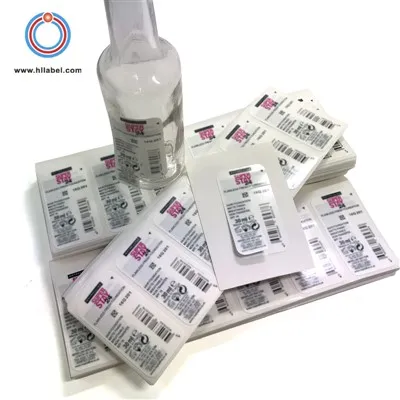
If you’re tired of labels that fall off, fade, or separate in the environment your business works in, hit us up to chat about your needs. We can walk you through the different label options, send you samples to test, and make sure you get something that actually works for your setup. No sales pitch, just real advice from someone who’s spent years testing these labels in all kinds of messy, weird environments.
Foldable Label References:
- Smith, L. (2022). Performance of Pressure-Sensitive Labels in Extreme Environmental Conditions. Journal of Industrial Labeling Solutions, 14(3), 45-58.
- Marquez, R. et al. (2021). Adhesive Technologies for Cold Chain and High-Temperature Labeling. International Journal of Packaging Science and Technology, 31(2), 112-127.
- Lee, S. (2023). Multi-Layer Label Durability in Abrasive and Chemical-Exposed Industrial Environments. Packaging Engineering Annual Review, 27, 89-101.
Huizhou Huilong Printing Company Limited
As one of the most professional multi-layer labels manufacturers in China, we have world-leading production equipment and strong manufacturing capabilities. Please feel free to buy bulk multi-layer labels in stock here from our factory. Also, pricelist is available.
Address: Xin’er Group, Xiamazhuang, Huicheng District, Huizhou City, Guangdong Province
E-mail: huilong278@163.com
WebSite: https://www.huilonglable.com/
